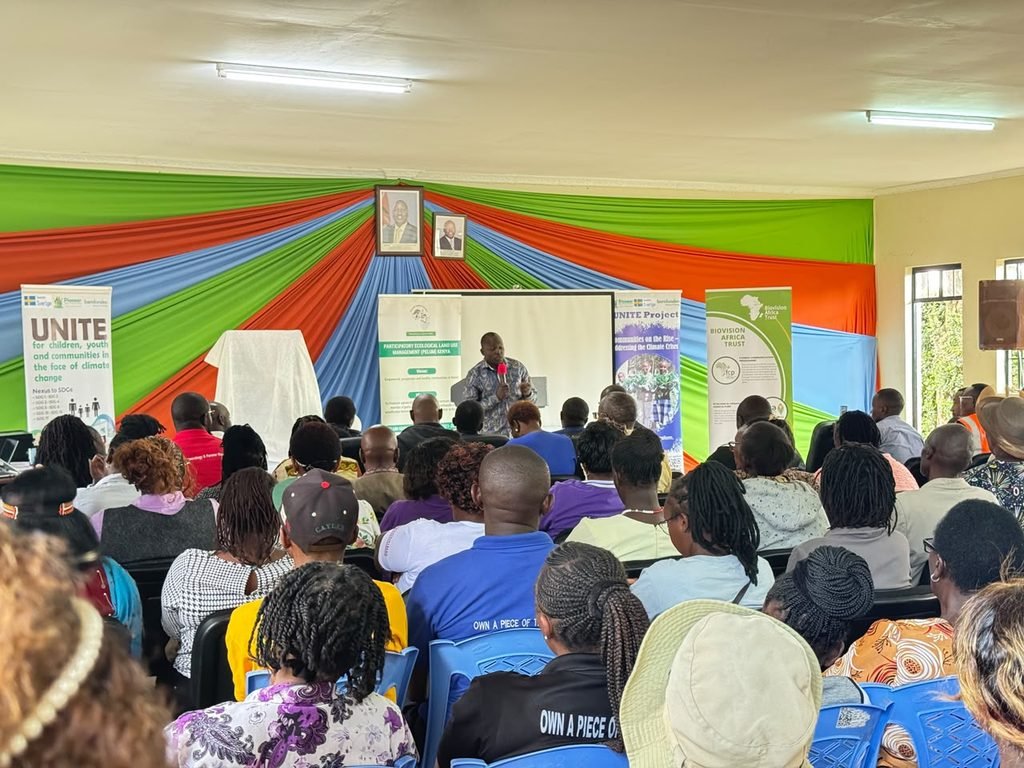
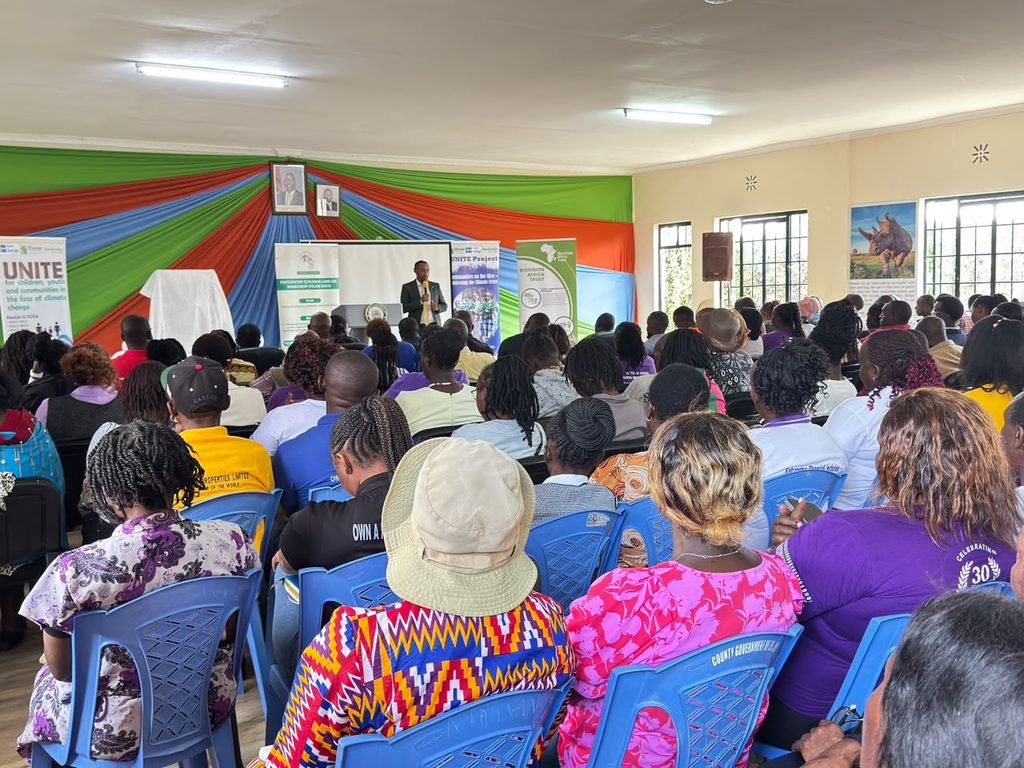
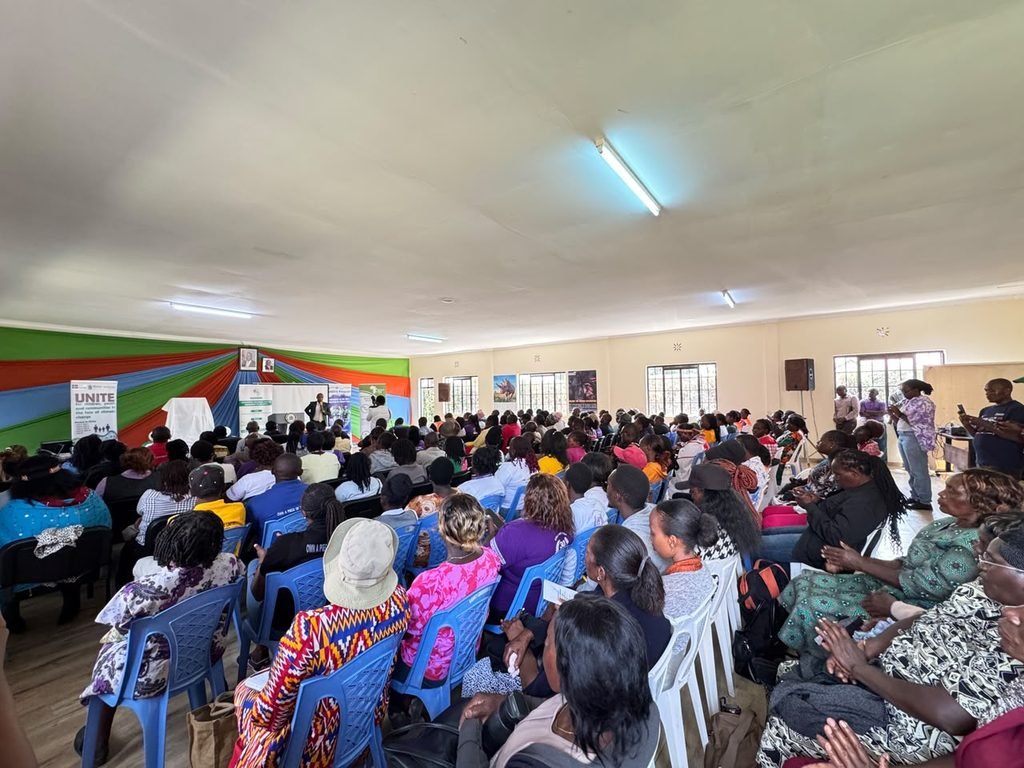

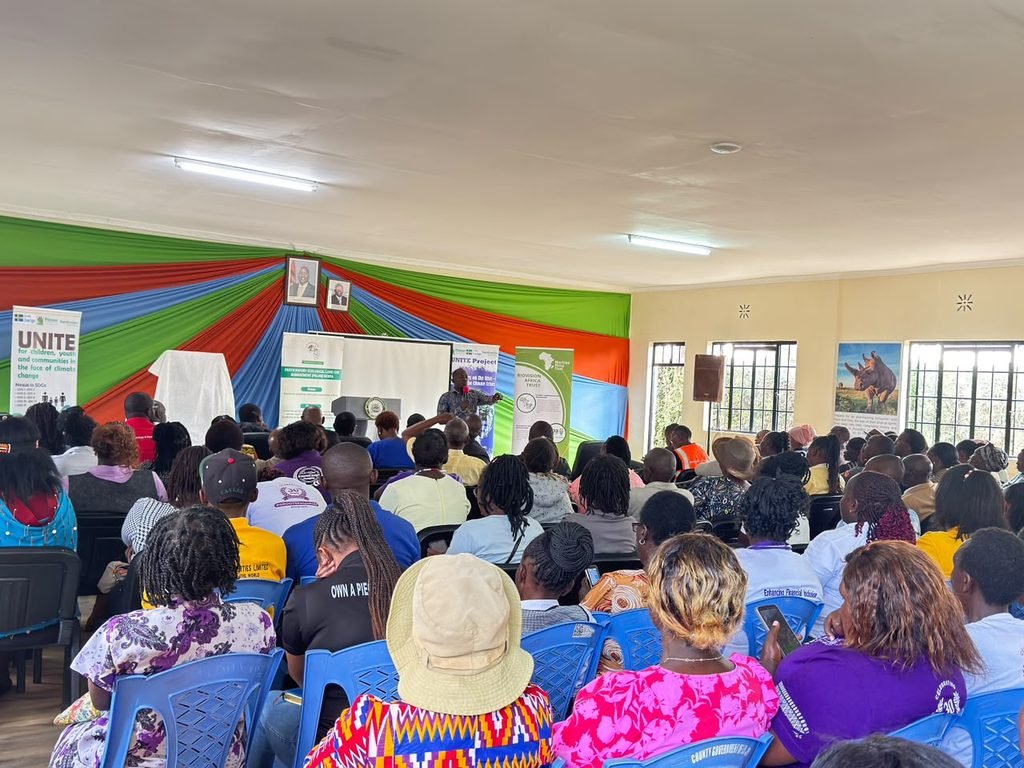
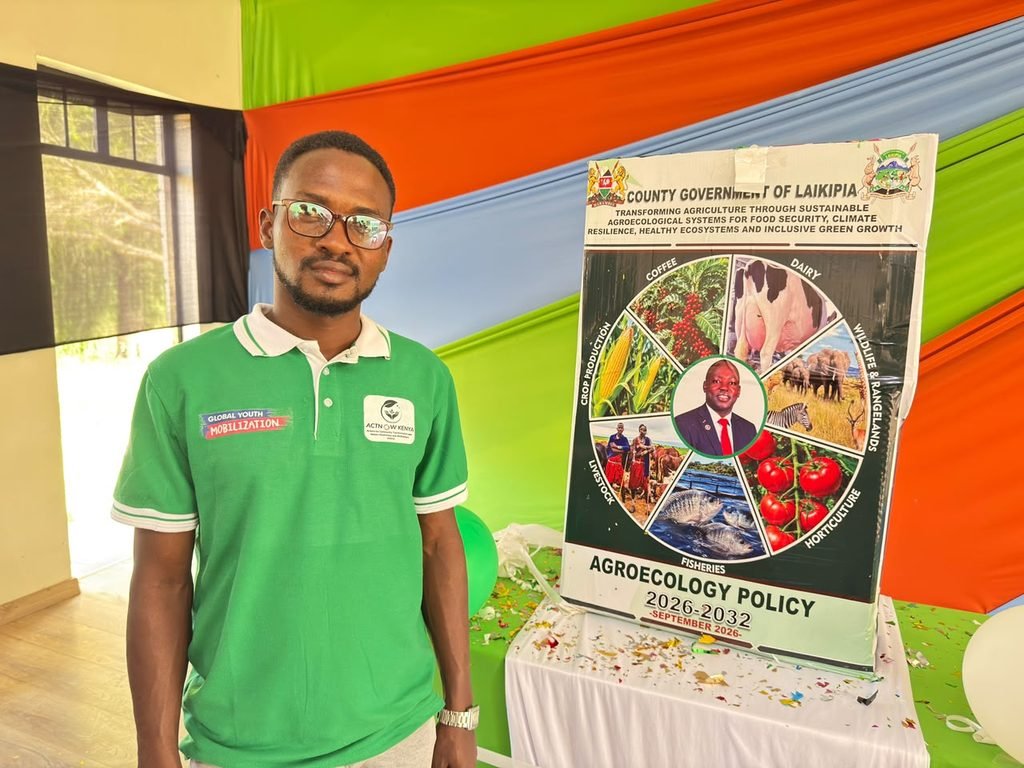
Agriculture is central to Laikipia County’s economy, supporting household incomes, employment, food and nutrition security, and local enterprise. Its production systems extend beyond crop farming to include pastoralism, agro-pastoralism, livestock production, ranching, apiculture, aquaculture, agroforestry and wildlife-linked enterprises. Approximately 74,000 farming households depend on these diverse activities. However, recurrent droughts, erratic rainfall, rising temperatures, water scarcity, declining soil fertility and ecosystem degradation continue to place pressure on agricultural productivity and natural-resource-based livelihoods. These challenges call for development approaches that address not only production constraints but also the ecological and socioeconomic conditions that sustain food systems. Against this backdrop, the County Government of Laikipia has introduced the Laikipia County Agroecology Policy 2026–2032, a seven-year framework to guide the transition towards sustainable, resilient and inclusive food systems. ACTNOW KENYA joined stakeholders at the launch of the policy, recognising its relevance to community-led development, climate resilience and ecosystem restoration. The framework provides an important policy context for advancing our locally driven solutions across pastoral and agro-pastoral landscapes.
Reframing agricultural development
The policy signals a shift from a narrow focus on agricultural productivity towards a more integrated approach to food systems transformation. It recognises that food production, natural-resource management, nutrition, markets and livelihoods are interconnected. Drawing on the Food and Agriculture Organization’s (FAO) 10 Elements of Agroecology, the framework brings together ecological principles, scientific research, Indigenous knowledge and local innovation. It connects soil health, biodiversity conservation, water management, food and nutrition security, social equity and economic viability. This landscape-level approach is particularly relevant in Laikipia, where farms, rangelands, forests, wetlands, rivers and wildlife habitats are ecologically interconnected. Changes in land use, water availability and vegetation condition can affect agricultural production, livestock systems, biodiversity and household livelihoods. Sustainable development therefore requires coordinated planning that considers these relationships rather than addressing agricultural and environmental challenges in isolation.
Placing pastoralism and Indigenous knowledge within the transition
Laikipia’s ecological diversity requires interventions suited to different production systems and livelihood contexts. High-potential agricultural areas present opportunities for sustainable crop production, horticulture, dairy development, agroforestry and value addition. In arid and semi-arid areas, priorities must also address sustainable pastoralism, regenerative rangeland management, water security and drought resilience. The policy’s recognition of pastoral development is important. Livestock production supports household economies and food security, while pastoral mobility and rangeland management are closely linked to the ecological functioning of dryland landscapes. Strengthening pastoral livelihoods must therefore go hand in hand with rangeland rehabilitation, biodiversity conservation and improved access to essential resources. For communities across the Mukogodo Ecosystem, these priorities are central to sustainable livelihoods and landscape conservation. The recognition of Indigenous knowledge systems is equally significant. Generations of local experience inform how communities interpret seasonal changes, rainfall, vegetation, livestock and natural-resource management. This knowledge should contribute to research, agricultural extension, climate adaptation planning and county decision-making. Indigenous knowledge holders must have meaningful roles in shaping interventions that affect their landscapes and livelihoods.
Connecting food security, nutrition and local economies
The framework also broadens the food security agenda by recognising dietary diversity, safe and nutritious food, local production and reduced post-harvest losses. Proposed interventions include indigenous vegetables, diversified farming, fruit trees, small livestock, integrated crop–livestock systems and school gardens. These priorities create opportunities to link agricultural development with nutrition, education and local food systems. School gardens, for instance, can support food diversity while providing practical learning opportunities in agroecology. At Ng’abolo Comprehensive School, ACTNOW KENYA’s NKISHON Program is advancing this connection through a school-based agroecology hub that links food production, environmental learning and school feeding. Beyond production, the policy identifies investment in irrigation, water harvesting, storage, cold-chain infrastructure, agro-processing, cooperatives and market systems. These investments are essential to reducing post-harvest losses, strengthening value chains and improving market participation. Without adequate infrastructure, extension services, financing and market access, agroecological enterprises may struggle to achieve long-term economic viability.
The implementation and accountability agenda
The 2026–2032 implementation framework provides for phased interventions, institutional responsibilities, financing requirements, performance indicators and monitoring arrangements. Delivering these commitments will require policy coherence, sustained public investment and coordination across agriculture, livestock, water, environment and other relevant sectors. The priorities must also be reflected in county development plans, annual budgets and public investment decisions. Women, youth, persons with disabilities, pastoralists, farmers and Indigenous communities need meaningful participation in planning and equitable access to productive resources, services and emerging green economic opportunities. The proposed results-based framework offers a basis for tracking progress through baseline assessments, performance indicators, monitoring, evaluation and periodic reviews. These mechanisms should enable public accountability for measurable outcomes, including improved ecosystem condition, food and nutrition security, livelihood resilience, market access and participation in agroecological enterprises.
Making the transition measurable
The Laikipia County Agroecology Policy 2026–2032 establishes a framework for aligning agricultural development with climate action, biodiversity conservation and inclusive economic growth. Its contribution will ultimately depend on how its commitments are translated into funded programmes, institutional action and locally relevant interventions. For Laikipia, agroecological transformation must deliver more than increased agricultural production. It must strengthen the ecological foundations of food systems, sustain farming and pastoral livelihoods, improve nutrition and expand inclusive economic opportunities.
The Laikipia County Agroecology Policy 2026–2032
Leave a Reply